

Black Belt Prairie Initiative
Circle V Farm
by Jessica Vick
October 26, 2026

In November 2025, an official statement was released regarding the Black Belt Prairie Restoration Initiative. This initiative would provide Alabama with over $17 million in funds to restore Alabama’s Black Belt Region. As of today, qualifying landowners have begun work to restore parts of their properties into native prairie grassland.
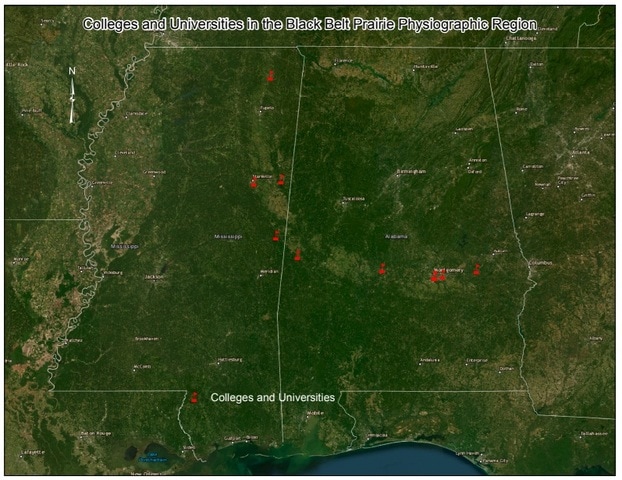
By allowing the native grasses to grow, a wide food source becomes available for many game species and hundreds of pollinators species. One of the most unknown facts pertaining to these native grasses is that they help with carbon storage, thereby producing cleaner air and water for people living in and around the Black Belt Prairie region. Over 10 post-secondary education institutions are located within the Black Belt Prairie region. This doesn’t even include the cities like Tuscaloosa, Meridian, and Birmingham that are outside the region, but still get benefits from a restored Black Belt Region.
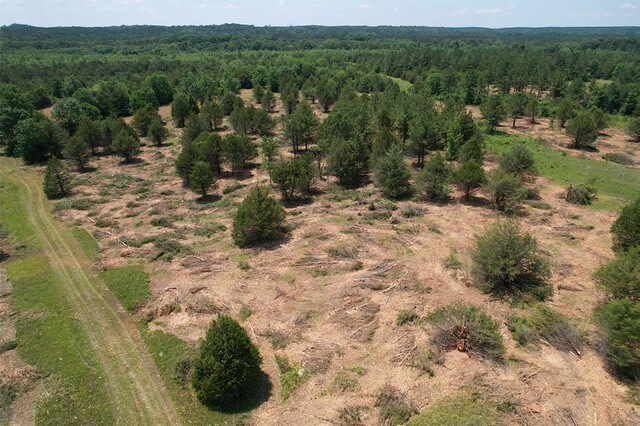
As part of this initiative, potential prairie sites must be cleared of standing Eastern Red Cedar trees. Though native to the area, due to overuse and lack of fire, the cedar trees have encroached much of the Black Belt Prairie area. These cedars grow wide and tall, therefore shading the ground to where the native grasses cannot grow.
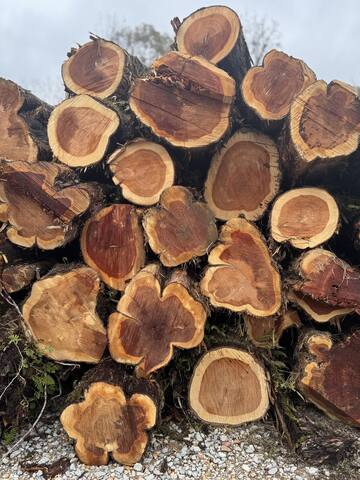
During the pilot program of the initiative, the land management business of Hunter and Jessica Vick was working to remove the cedars but also to create a market for them. Because of the careful removal methods, a market for the cedars had not been heavily developed. The Vicks began selling cedars to sawmills all over the southeast and eventually transitioned their farm into a cedar lumber mill.
Each cedar board that has been cut on Circle V Farm and Lumber has been cut for multiple purposes. First, the tree is cut to help native grass grow. Secondly, the tree’s limbs and tops are cut in the field to later be used for prescribed fire, which is another crucial aspect of restoration. Lastly, the cedar trees that can be used for lumber are removed and cut at Circle V so that the sale of the lumber can further assist landowners in receiving the needed restoration practices. Additionally, the cedar lumber allows Alabamians to have access to high-quality cedar grown and processed right here in their home state.
The Black Belt region is growing in popularity due to its rich cultural and historical significance to the state. Much of this is also rooted in its ecological diversity. The hope of many, including Circle V Farm and Lumber, is that this initiative doesn’t just provide restoration aid, but that it sparks a desire to keep the Black Belt Prairie region a state treasure for many generations.
The views and opinions expressed in this blog are those of the authors and do not necessarily reflect the views or positions of Sweet Grown Alabama.