

Chef Jim Smith Champions Alabama Seafood From Coast to Kitchen
by Jennifer Stewart Kornegay
August 25, 2026

Earlier this year, Chef Jim Smith added another highlight to his distinguished culinary career, earning a spot on the James Beard Award’s Best Chef: South semifinalist list. The former State of Alabama executive chef cooked for two governors, appeared on two seasons of Bravo’s “Top Chef” and has owned and helmed the kitchen at The Hummingbird Way, a popular restaurant in Mobile, since 2020.
But of all the accomplishments on his lengthy resume, his service with the Alabama Seafood Commission stands out — both in his heart and for its lasting impact.
“I was on the commission’s board for eight years and chaired the board for seven of them,” Smith said. “I’m really proud of all the commission accomplished.”
Smith remembers the initial concerns when the state responded to the BP oil spill in the Gulf of Mexico by forming the commission.
“There was so much worry about how the spill affected marine life, but once we learned Alabama seafood was safe, the commission got to work spreading that information and then continued to promote Alabama seafood to encourage people to buy it,” he said.
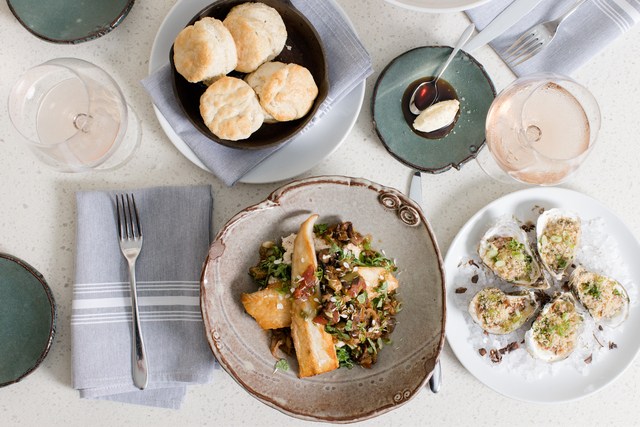
Photo by Tori Ellis
Smith believes the commission went above and beyond in achieving its goals and backs that assertion with firsthand experience.
“The commission did a great job, not only in the state but all over the country,” he said. “I can be cooking at an event in Colorado, and I get compliments on how amazing Alabama shrimp and crab and oysters are, so what we did worked.”
He agrees with every ounce of the praise. Alabama seafood dominates the menu at Hummingbird Way. But more than home-state loyalty fuels Smith’s support of the industry. The chef knows taste takes precedence.
“The Gulf provides such a great sampling of really delicious foods; the diversity and quality are just so high,” he said.
The constant presence of blue crab dishes, including crab cakes and fried or marinated crab claws, on the restaurant’s often-changing menu reveals Smith’s affection for the Alabama crustacean.
“I can get crab a mere day or two after harvest, and it’s so sweet,” he said.
Sometimes, West Indies Salad, a simple but flavorful crab-centric dish invented in Alabama, makes an appearance, too.
Alabama oysters enjoy Smith’s attention as well. Hummingbird Way’s raw bar selections include six different oysters daily, with at least two from Alabama waters alongside oysters from neighboring Gulf states, including Mississippi and Florida.
When he serves oysters from outside the South, it’s because they’re tasty, but also because they give diners some context.
“I enjoy serving some out-of-area oysters to expose people here to them,” he said. “It also underscores the quality of Alabama oysters when people can eat them right next to some of the ‘famous’ oysters from other parts of the country. It just drives home the point about how good our seafood is.”
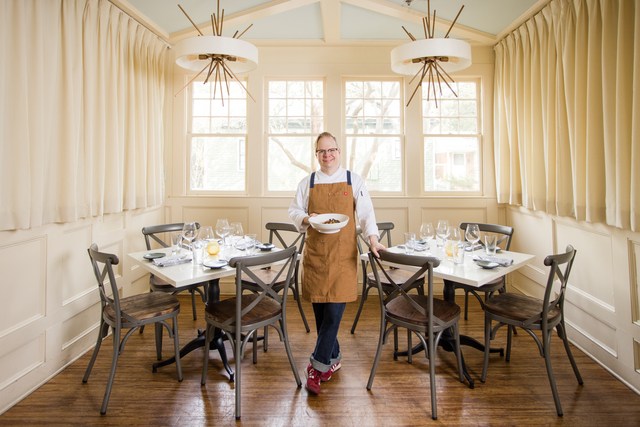
Photo by Elizabeth Gelineau
Quality matters, but sustainability stays top of mind for Smith, too. He keeps an eye on the National Oceanic and Atmospheric Administration’s watchlist, which helps protect healthy fish populations, and sources his locally caught fish from reputable sources, namely Fairhope Fish Market.
“What we serve depends on what they catch,” he said.
Supporting those who catch, raise and process Alabama’s seafood also factors into Smith’s dedication to serving local seafood, and he encourages others to do the same.
“It goes beyond great taste,” he said. “It’s important for us as Alabama residents to support those who make this great-tasting seafood available. When you support your neighbors and our local economies, we all win.”
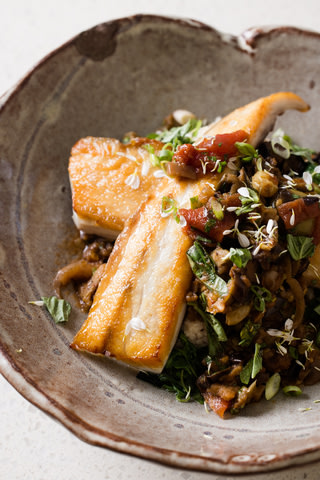
Photo by Tori Ellis
All combined, these efforts delight Hummingbird Way diners. Smith is in the process of expanding the restaurant, adding an event space in the building next door that will host special offerings, including ticketed eight-course meals, wine tastings and private functions.
Smith’s commitment to Alabama seafood continues outside his restaurant. He currently serves on the Dauphin Island Sea Lab’s board of directors.
“As a chef, I want to approach seafood from the standpoint of sustainability, so the work the sea lab does is important because it does the research needed to ensure we are properly managing our fisheries,” he said.
The sea lab’s education mission, which engages and informs students from elementary school through doctoral programs, gets an A-plus from Smith, too.
“It emphasizes why the Gulf and our coastal ecosystems are so important and helps us better understand what’s happening in our waters,” he said. “That’s key to a bright future for our seafood industry.”